Drywall Contractor in Erie, PA
Drywall Explained: What It Is, How It Is Used, and Questions to Ask Your Erie, PA Drywall Professional
This article explains what drywall is, how drywall is used in construction projects, and the most important questions to ask before hiring a drywall contractor. A. What Is Drywall?
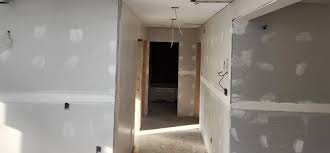
Drywall is one of the most important materials used in modern residential and commercial construction. Whether you are remodeling a single room, finishing a basement, repairing damage, or building a brand-new home, drywall plays a major role in creating smooth, attractive, and durable interior walls and ceilings. While many people see drywall every day, they may not fully understand what it is, how it is used, or how to choose the right contractor for a drywall project.
Drywall is a manufactured building material used to create interior walls and ceilings. It is typically made from a layer of gypsum plaster pressed between two thick sheets of paper. Gypsum is a naturally occurring mineral that is lightweight, fire-resistant, and easy to shape. The finished drywall sheets are available in a variety of sizes and thicknesses depending on the needs of the project.
Drywall is also commonly referred to by several other names, including:
· Sheetrock
· Wallboard
· Gypsum board
· Plasterboard
“Sheetrock” is actually a brand name that became widely associated with drywall products, much like people use “Kleenex” to describe facial tissues.
Before drywall became common, builders used plaster applied over wooden lath strips to create interior walls. That process was labor-intensive, time-consuming, and expensive. Drywall became popular because it was faster to install, easier to repair, and more affordable.
Today, drywall is considered the standard wall and ceiling material in most homes, offices, retail buildings, schools, and commercial spaces.Types of Drywall
There are several types of drywall designed for different applications:Standard Drywall
This is the most commonly used type and is suitable for most interior walls and ceilings.Moisture-Resistant Drywall
Often called “green board,” this drywall is designed for areas with higher moisture levels, such as bathrooms, laundry rooms, and kitchens.Mold-Resistant Drywall
This type is specially designed to resist mold growth and is commonly used in damp environments.Fire-Resistant Drywall
Known as Type X drywall, this version contains special additives that improve fire resistance. It is commonly required in garages, utility rooms, and commercial buildings.Soundproof Drywall
Acoustic drywall helps reduce sound transfer between rooms and is often used in apartments, offices, studios, or home theaters.Common Drywall Sizes
Drywall panels are typically available in:
· 4-foot by 8-foot sheets
· 4-foot by 10-foot sheets
· 4-foot by 12-foot sheets
The most common thicknesses include:
· 1/4 inch
· 3/8 inch
· 1/2 inch
· 5/8 inch
The thickness used depends on the application, structural needs, and local building codes.B. How Is Drywall Used in Projects?
Drywall is used in nearly every stage of interior construction and remodeling. Once the framing, plumbing, electrical, and insulation work are completed, drywall installation begins.Wall Construction
The primary use of drywall is to create interior walls. Large drywall sheets are attached to wooden or metal wall studs using screws or nails. Once installed, seams between the sheets are taped and coated with joint compound to create a smooth surface.
After sanding and finishing, the walls are ready for:
· Paint
· Wallpaper
· Texture finishes
· Decorative trim
Drywall creates clean, professional-looking surfaces that form the foundation of most interior spaces.Ceiling Installation
Drywall is also commonly used on ceilings. Ceiling drywall requires careful installation because the material must be secured overhead while remaining level and stable.
Professional drywall installers often use special lifts or equipment to safely position ceiling panels.Basement Finishing
Many unfinished basements use exposed concrete walls and open framing. Drywall transforms these unfinished spaces into comfortable living areas, offices, home gyms, bedrooms, or entertainment rooms.
In basement projects, moisture-resistant drywall is often recommended to help reduce future water-related problems.Remodeling and Renovation Projects
Drywall is frequently used during remodeling projects, including:
· Kitchen renovations
· Bathroom remodels
· Room additions
· Garage conversions
· Office remodeling
· Commercial tenant improvements
Contractors may remove old drywall, patch damaged sections, or install entirely new walls depending on the project scope.Drywall Repair Work
Drywall damage is extremely common in both homes and businesses. Common causes include:
· Water leaks
· Cracks
· Dents
· Holes from impacts
· Nail pops
· Settling foundations
Professional drywall repair can restore damaged walls and ceilings to like-new condition.Texture and Finishing Applications
After drywall is installed, finishing work begins. This process includes:
1. Applying joint tape
2. Spreading joint compound
3. Sanding smooth surfaces
4. Applying texture if desired
Popular drywall textures include:
· Knockdown texture
· Orange peel texture
· Smooth finish
· Skip trowel texture
· Popcorn ceiling texture
The quality of drywall finishing often determines how professional the final painted surface appears.C. Questions to Ask a Drywall Contractor
Hiring the right drywall contractor can make a major difference in the quality, appearance, durability, and timeline of your project. Before hiring a drywall professional, it is important to ask several key questions.1. Are You Licensed and Insured?
Always verify that the contractor carries proper licensing and insurance. Liability insurance and workers’ compensation coverage protect both you and the contractor if accidents occur during the project.2. How Much Experience Do You Have?
Experience matters in drywall work. Ask how long the contractor has been in business and whether they specialize in residential or commercial projects.
A contractor with extensive experience is more likely to deliver smoother finishes, better repairs, and fewer delays.3. Can You Provide References or Photos of Past Work?
A reputable drywall contractor should be willing to provide:
· Customer references
· Before-and-after photos
· Examples of completed projects
· Online reviews
Looking at previous work helps you judge the quality of their craftsmanship.4. What Type of Drywall Do You Recommend?
Different projects require different drywall materials. A knowledgeable contractor should explain which drywall type is best for your specific needs and why.
For example:
· Bathrooms may require moisture-resistant drywall
· Garages may require fire-rated drywall
· Home theaters may benefit from soundproof drywall5. What Is Included in the Estimate?
Request a detailed written estimate that outlines:
· Labor costs
· Material costs
· Cleanup
· Repairs
· Sanding and finishing
· Texture application
· Timeline
A clear estimate helps prevent misunderstandings and surprise charges.6. How Long Will the Project Take?
Ask for an estimated start date and completion timeline. Keep in mind that drywall finishing often requires multiple coats of joint compound with drying time between applications.
A professional contractor should provide a realistic schedule.7. Who Will Perform the Work?
Some companies use subcontractors while others use in-house crews. Ask who will actually complete the work and whether the workers are experienced drywall professionals.8. How Will You Protect My Home?
Drywall installation and sanding can create significant dust and debris. Ask how the contractor plans to protect:
· Flooring
· Furniture
· HVAC systems
· Adjacent rooms
Professional contractors often use plastic barriers, floor coverings, and dust-control equipment.9. Do You Offer a Warranty?
A quality drywall contractor should stand behind their work. Ask whether they offer warranties for:
· Cracking
· Nail pops
· Seam separation
· Workmanship issues10. What Preparation Is Required Before Work Begins?
Some contractors require homeowners to move furniture, remove wall décor, or clear access areas before work begins. Clarifying expectations ahead of time helps the project run smoothly.Final Thoughts
Drywall is one of the most essential materials in modern construction and remodeling. It provides the smooth walls and ceilings found in nearly every home and commercial building. From new construction and remodeling to repairs and finishing work, drywall serves both functional and aesthetic purposes.
Understanding the basics of drywall and asking the right questions before hiring a contractor can help ensure your project is completed professionally, efficiently, and within budget. Whether you are finishing a basement, repairing water damage, or remodeling an entire property, choosing an experienced drywall contractor is one of the most important decisions you can make for the success of your project.
Your second block of text...